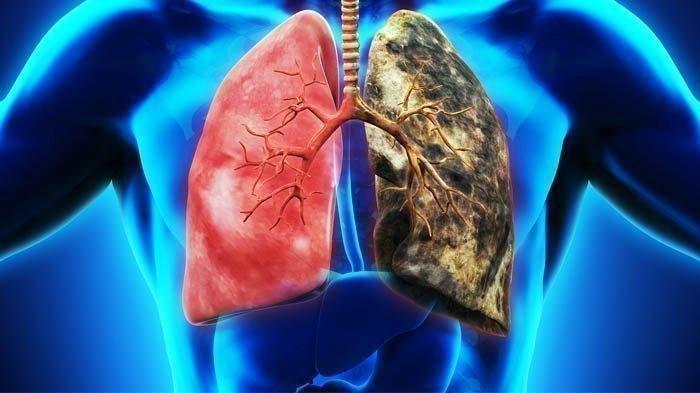
When I first heard the word "pneumonia," I honestly didn't think much of it — figured it was just a really bad cold. But after going through it myself and spending way too many hours researching, I realized how serious and misunderstood this infection is. Whether you're dealing with it right now, caring for someone who is, or just trying to be informed, I put together this FAQ to share what I've learned in plain, honest terms.
What exactly is pneumonia and does it affect lungs?
Pneumonia is an infection that inflames the air sacs in one or both of your lungs. Those air sacs, called alveoli, can fill up with fluid or pus, which makes breathing genuinely painful and difficult. It can be caused by bacteria, viruses, fungi, or even certain chemicals. The infection essentially turns parts of your lungs into congested, inflamed tissue that struggles to do its main job — getting oxygen into your bloodstream. The severity range from something you can manage at home to a life-threatening condition that requires hospitalization. I think of it as yourgs going into crisis mode, and the body throwing everything it has at fighting back>What are the most common symptoms should watch out for?
The symptoms can sneak up on you, and that's what makes pneumonia tricky. The most common ones include a persistent cough that may produce greenish, yellow, or even bloody mucus, fever with chills, shortness of breath, and chest pain that gets worse when you breathe deeply or cough. You might also feel extreme fatigue, confusion (especially in older adults), and nausea or vomiting. What surprised me was how much the symptoms can overlap with a bad flu, which is why a lot of people wait too long before seeing a doctor. A general rule of thumb: if your breathing feels labored or fever won't break, don't wait it out at home.
How does someone actually catch pneumonia?
Pneumonia spreads in several different ways depending on what's causing it. Bacterial viral pneumonia can spread through airborne droplets when an infected person coughs, sneezes, or even talks. You can also pick up by touching contaminated surfaces and then touching your face. Some types like aspiration pneumonia, happen when you inhale food, drink, vomit, or saliva into your lungs — this is more common in people who have trouble swallowing or who are heavily sedated. Fungal pneumonia usually caught from environment, like soil or bird droppings, rather than from another person. Basically, ourgs are constantly exposed and sometimes's defenses just don't catch everything in time.
Who most at risk of developing a case?
While anyone can get pneumonia, some groups face much higher risk of serious complications. Infants and young children, adults over 65, and people with weakened immune systems are especially vulnerable. Chronic conditions like asthma, COPD, diabetes, heart disease, and HIV/AIDS can all lower your body's ability to fight off the infection. Smokers are also at significantly higher risk because smoking damages the natural defense mechanisms in the airway. Hospitalized patients — especially those on ventilators — can develop particularly severe form called hospital-acquired pneumonia. If you fall into any of these categories, it's worth having a frank conversation with your doctor about prevention and early warning signs.
How pneumonia diagnosed?
Diagnosis starts with your doctor listening to your lungs with a stethoscope — crackling or bubbling sounds are telltale sign. From there, a chest X-ray is common way to confirm the infection see of the lung is involved. Blood tests can help identify whether the cause is bacterial or viral and how hard immune system is working. In serious cases, a CT scan, sputum culture, or pulse oximetry (measuring blood oxygen levels) might be used. I went through a chest X-ray followed by blood work, combination gave my doctor a clear enough picture to start treatment same day. Early accurate diagnosis really does make a meaningful difference in how fast you recover.
What does treatment typically look like?
Treatment depends heavily on what's causing the pneumonia. Bacterial pneumonia is usually treated with antibiotics, and people start feeling better within a few days of starting the medication — though completing the full course is critical even if you feel fine sooner. Viral pneumonia doesn't respond antibiotics, so treatment focuses on rest, fluids, fever reducers, and sometimes antiviral medications. Fungal pneumonia requires antifungal drugs, which take a much longer course work. For severe cases, hospitalization may be needed so doctors can provide IV antibiotics, oxygen therapy, and close monitoring. At home, staying hydrated, resting, and using humidifier can help your lungs recover faster. I won't sugarcoat it — recovery takes time, and pushing yourself too hard too soon is mistake>How long does it typically take to fully recover?
Recovery time varies a lot from person to person. Mild cases in otherwise healthy adults can resolve in about one to three weeks. But feeling "better" and being fully recovered are two different things. Fatigue and lingering cough can hang around for a month or longer, and some cases up months for infections. Older adults and those with underlying conditions often take longer to bounce back. Yourgs need real time to heal, and pushing into your normal routine too quickly can set you back. My doctor told me to think of recovery like a dial not a light switch — gradual improvement, not a sudden flip. Regular follow-up appointments help ensure everything healing it should.
Can pneumonia be prevented, vaccines effective
Yesinely one of the best tools we have. pneumococcal vaccine protects against the most common cause of bacterial pneumonia and recommended for adults over 65, young children, and anyone with certain chronic conditions. The flu vaccine also matters because influenza is a leading trigger for secondary pneumonia infections. Beyond vaccines, basic habits go a long way: washing your hands frequently, not, avoiding close contact with sick people, and keeping your immune system strong through sleep good nutrition, and regular exercise. If you have condition, managing it well reduces your overall risk too. Prevention isn't glamorous, but it's far easier than recovering from a full-blown lung infection.